Disaster-Prepared Architecture & Design: Building for an Uncertain Future
For a long time, architecture has focused on creating spaces that are beautiful, functional and comfortable. But as we face more earthquakes, floods, extreme heat and unpredictable weather, we think we need to start asking a more urgent question:
Are our buildings actually prepared for what is coming?
Disasters themselves may be unavoidable. Earthquakes will happen. Heavy rains will come. Temperatures will continue to rise. But the difference between a hazard and a catastrophe often comes down to how prepared we are.
And architecture has an important role to play.
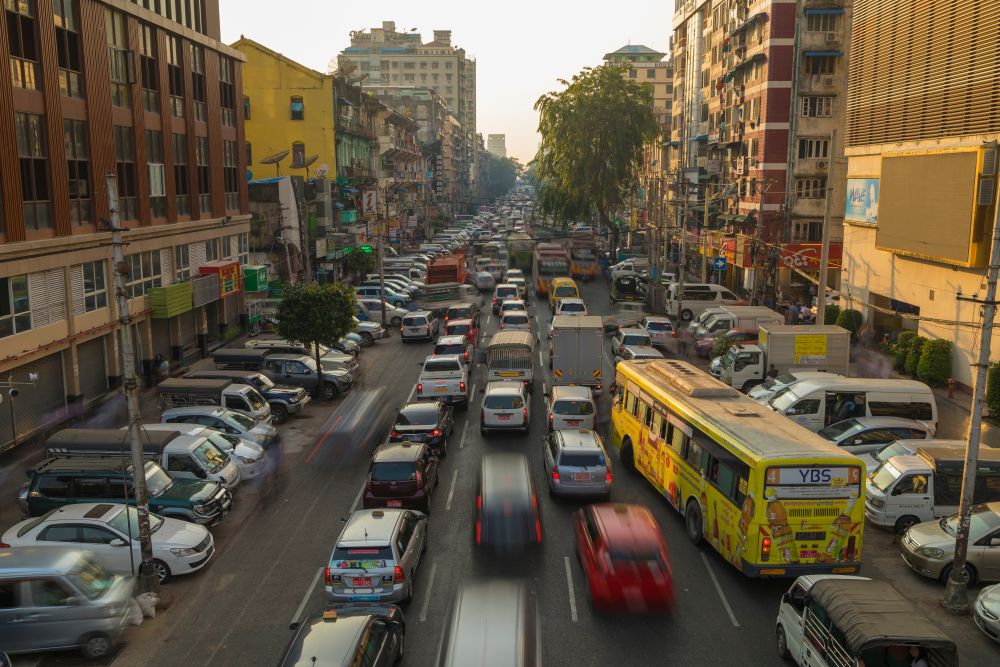
Too often, we design buildings based on the assumption that everything around them will remain stable and reliable infrastructure, predictable weather and familiar environmental conditions. Today, those assumptions no longer hold.
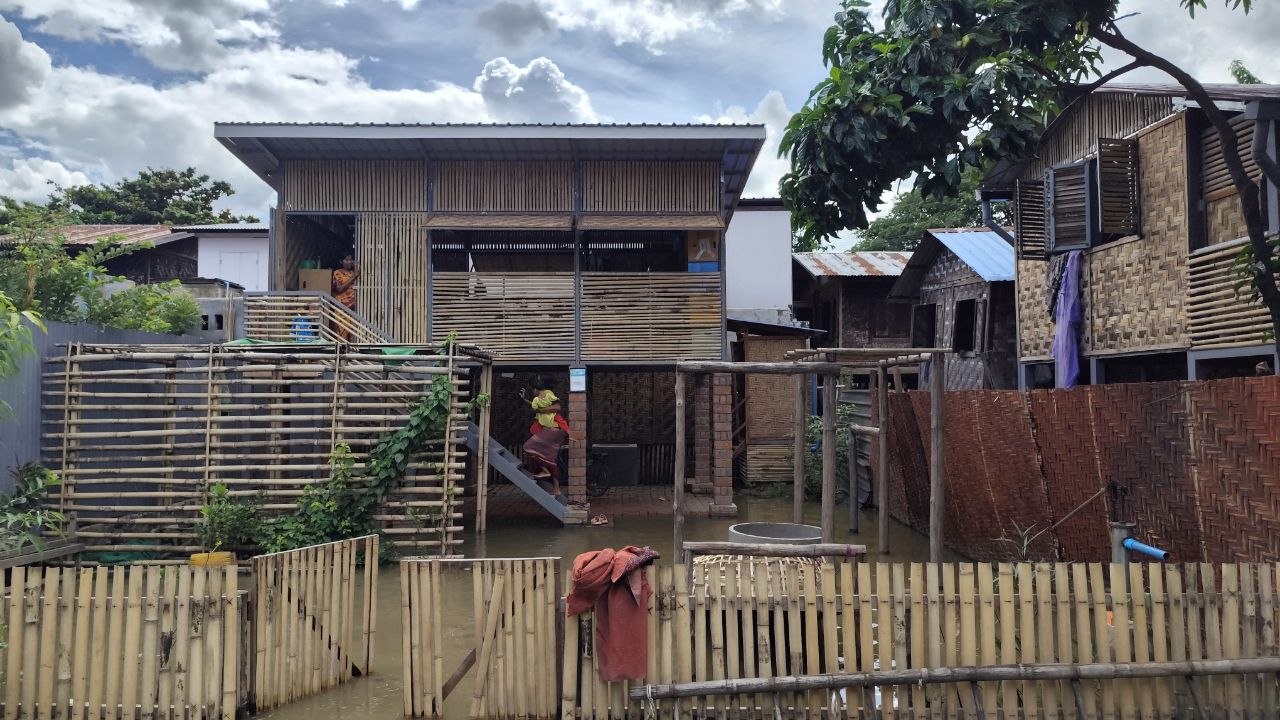
Disaster-prepared design means thinking beyond how a building looks or functions on a normal day. What happens when the power goes out? When streets are flooded? When temperatures become unbearable? Or when an earthquake strikes?
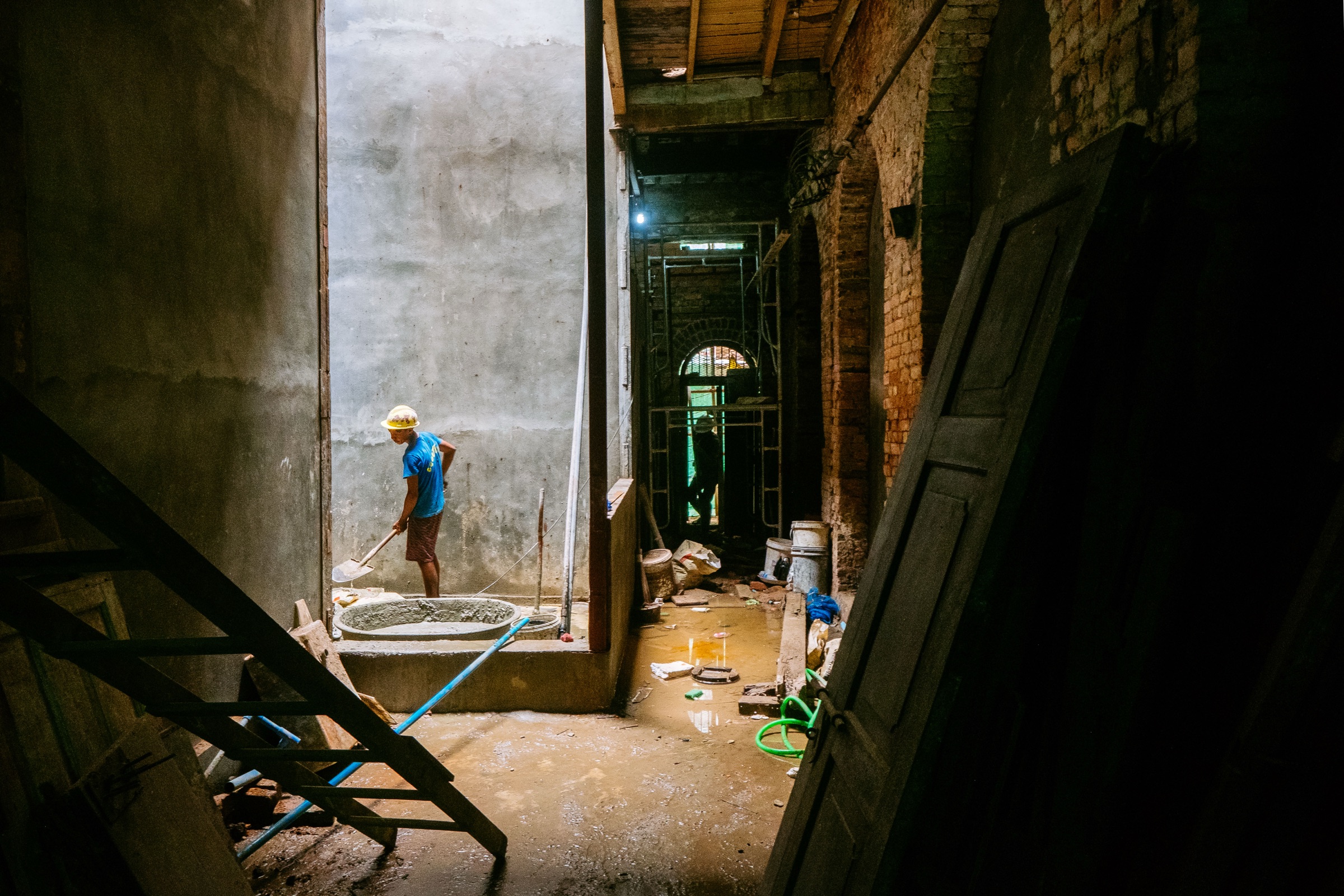
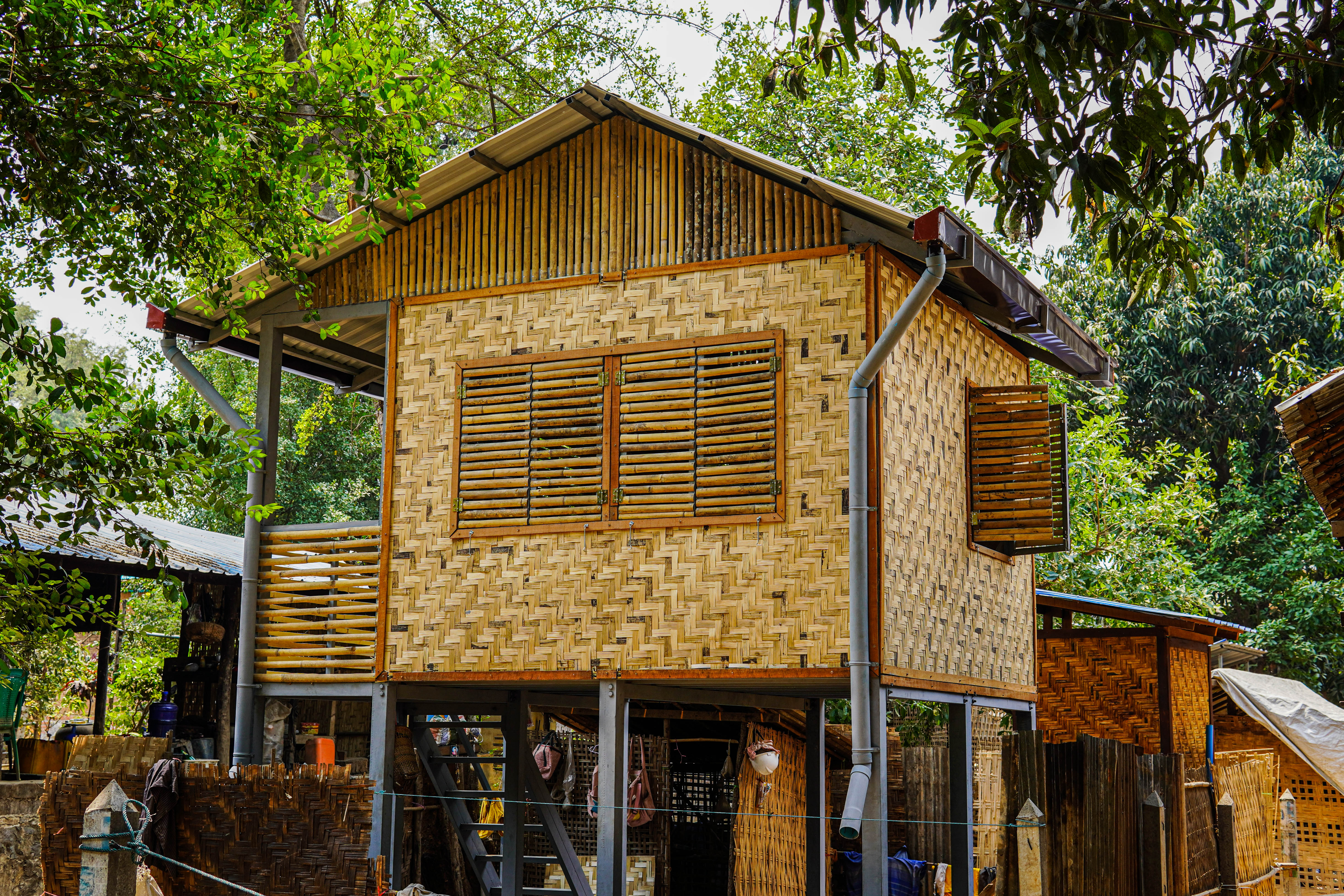
Resilience does not always mean expensive technology or complicated engineering. Sometimes it starts with getting the basics right: understanding the site, using appropriate materials, ensuring structural safety, designing proper drainage, creating shade and natural ventilation, and providing safe ways for people to evacuate.
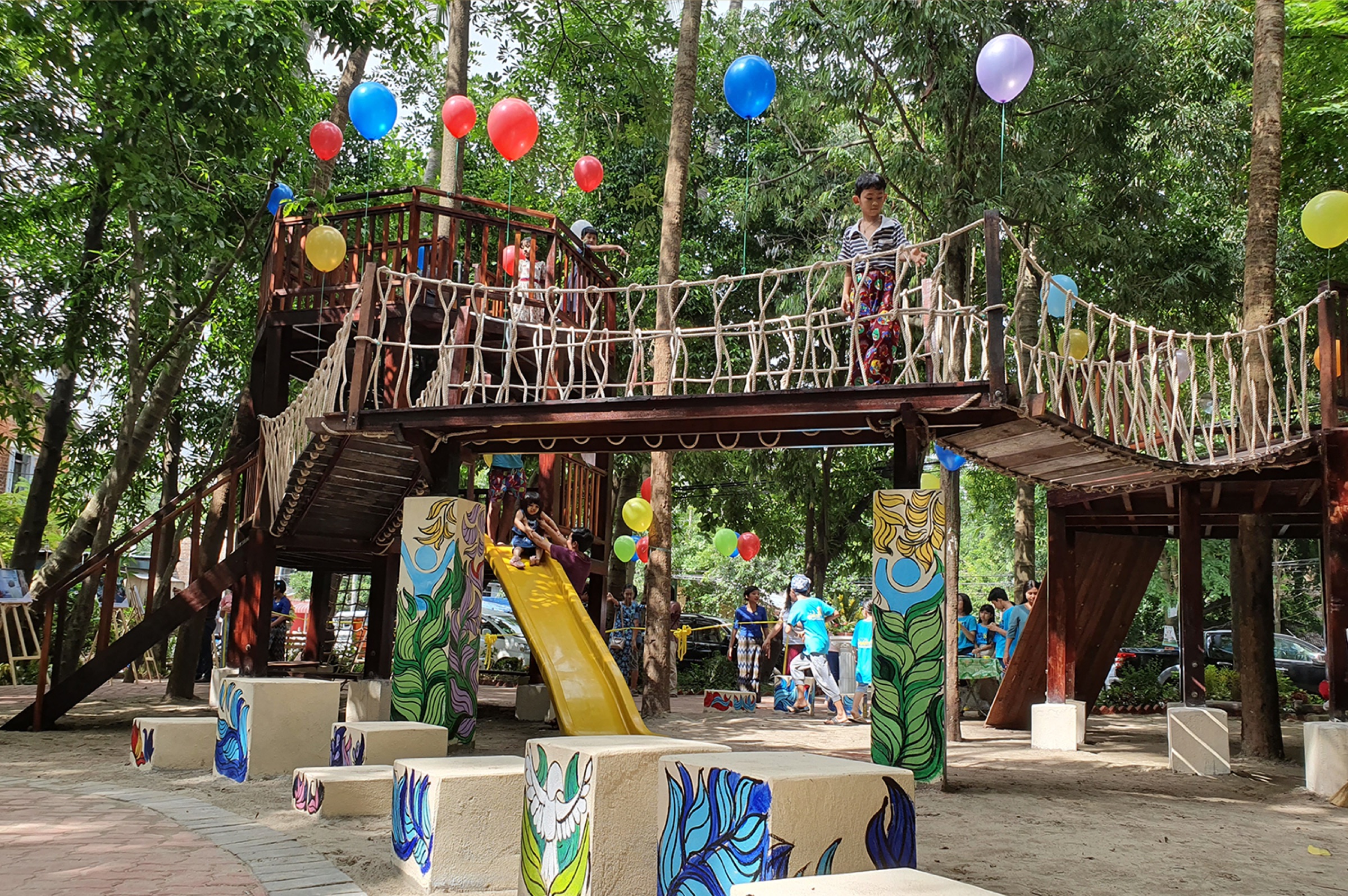
But we also need to think beyond individual buildings. A resilient house is still vulnerable if the entire neighbourhood around it floods or if communities have nowhere safe to go during an emergency.
This is particularly relevant for Myanmar. As we continue to face multiple and overlapping risks, we need to move away from simply responding after disasters happen and start thinking more seriously about preparedness.
We can also learn from the past. Traditional architecture was often designed to respond to local climates through deep overhangs, high ceilings, courtyards, natural ventilation and locally appropriate materials. The future does not always mean inventing something completely new. Sometimes, it means combining traditional knowledge with modern science and technology.
As architects and designers, our responsibility goes beyond creating beautiful spaces. We are shaping the environments where people live, work and seek safety.
We cannot design for every possible disaster. But we can design to reduce vulnerability, protect lives and help communities recover faster.
Perhaps the question we should be asking in every project is not simply:
“What does this building need today?”
But:
“Will it still protect the people who depend on it tomorrow?”