From Building Capacity to Strengthening What's Already There
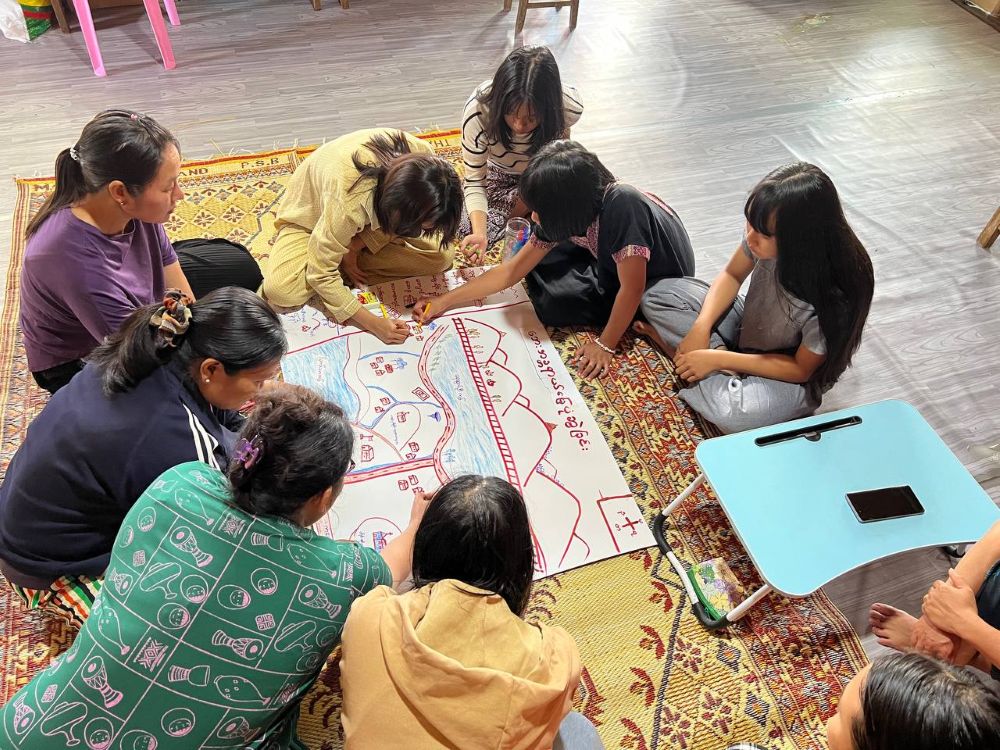
In development work, we often start with a familiar question: What do communities need?
The answers are usually predictable: more skills, better systems, technical knowledge or resources. And naturally, we respond with training sessions, workshops, toolkits and capacity-building programmes.
But over the years, working alongside communities in Yangon and beyond, we have come to realise that perhaps we should start somewhere else.
Instead of asking what is missing, what if we asked: What is already there?
The term 'capacity building' sometimes gives the impression that communities are starting from zero, waiting for an organisation or an expert to come in and show them how things should be done. But that has rarely been our experience.
The neighbourhoods we work in are full of people who already know their places, understand their challenges and find ways to make things work, often with very little. They repair their homes, look after shared spaces, organise with their neighbours and find ways through difficult times.
Much of this happens quietly, without formal recognition, funding or a project attached to it. And these are precisely the strengths we should be paying more attention to.
Spend enough time in any neighbourhood and you begin to notice the things that might not appear in a project proposal or an assessment report. There is knowledge of place: residents who know the history of their streets, which buildings have stood for generations, where the water collects during the rainy season and which corners of the neighbourhood need attention.
There is creativity and resourcefulness: people who know how to repair, reuse and adapt materials, making the most of what they have rather than waiting for something new. There is experience and resilience: communities that have navigated uncertainty, responded to crises and found ways to support one another when things become difficult. And there are informal networks that keep neighbourhoods functioning every day. The people who look after elderly neighbours, savings groups, religious associations, local volunteers and the familiar faces everyone turns to when something goes wrong.
These strengths are not always documented, formalised or recognised by outside organisations. But they exist, and they matter.
The challenge is not necessarily that communities lack capacity. Sometimes, it is that the capacity they already have is not recognised, supported or given the opportunity to grow.
This does not mean external organisations have no role to play. Quite the opposite. But it does ask us to rethink what that role should look like.
Perhaps we need to move away from being the people who arrive with all the answers, and become better at creating the conditions for local knowledge, ideas and initiatives to move forward.
At Doh Eain, this is something we continue to learn through our work. Our contribution can take many forms, whether it is providing resources, materials and time to help local ideas move into action, bringing in technical expertise in architecture, engineering, heritage conservation and planning, or connecting communities with institutions, experts and potential funders.
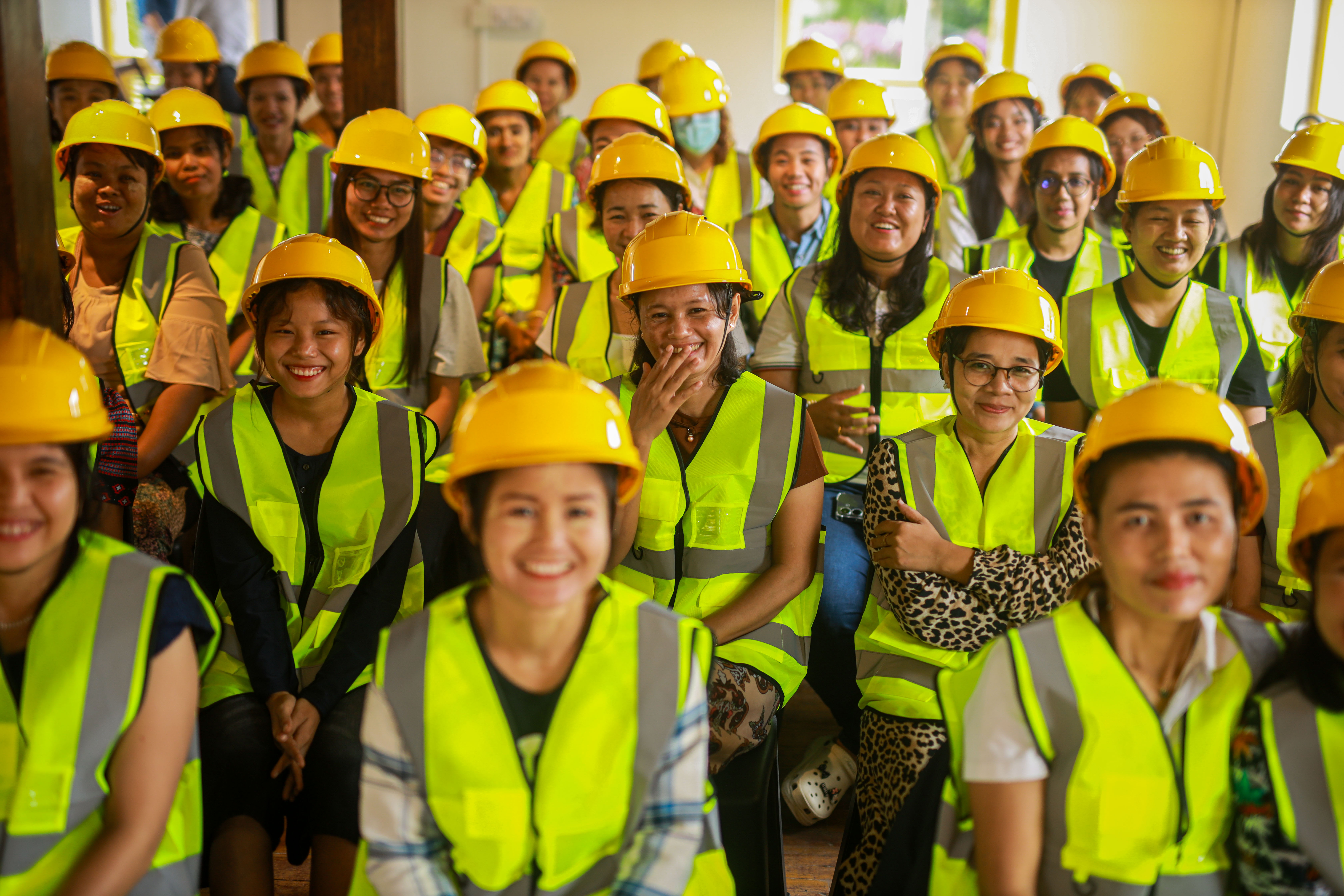
We can also create opportunities for residents, including women and young people, to participate in conversations and decisions that affect their neighbourhoods.
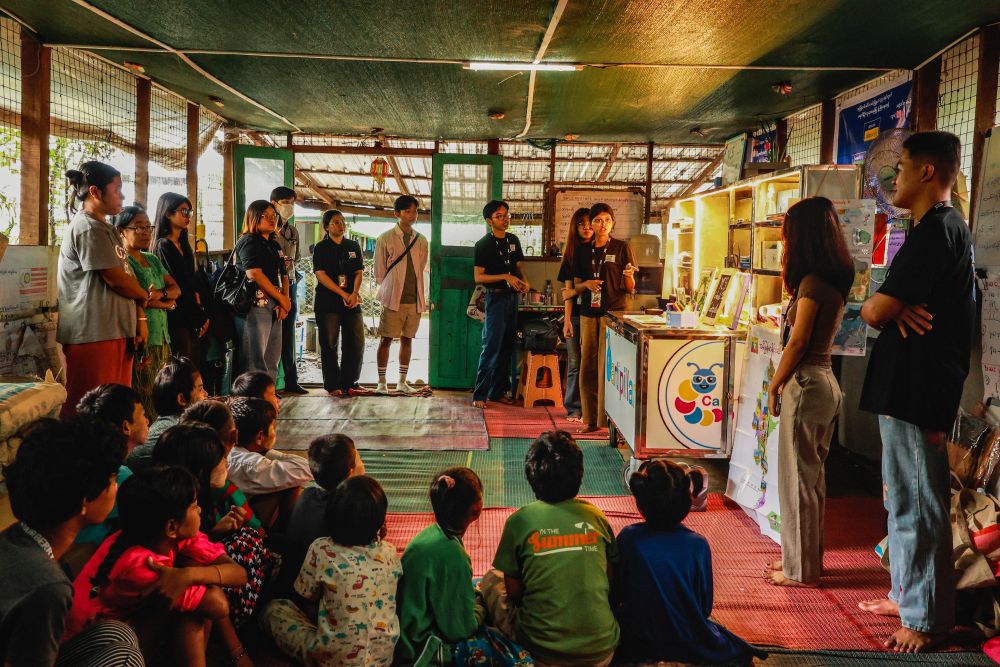
The important distinction is that we should not be replacing what communities can already do. We should be helping them do more of what they want to do.
A question we often need to ask ourselves is: Are we adding to what is already happening, or are we unintentionally taking over?
It is easy to measure the things that happen during a project. How many people attended a training? How many workshops were organised? How many toolkits were distributed? How many activities were completed?
These numbers have their place, but they do not necessarily tell us whether anything has changed in the long run.
A more meaningful question is what happens when the project ends and the organisation is no longer there.
Who makes the decisions? Who takes responsibility? Who maintains the space? Who continues the initiative? And, perhaps most importantly, do people feel that the work belongs to them?
For us, this is where meaningful capacity strengthening begins to show.
It means residents have a genuine say in setting priorities, rather than simply responding to activities designed around funding cycles. It means local leaders, women, young people and elders have the space to influence decisions. It means knowledge, skills and resources remain within the neighbourhood. And it means the relationship between communities and external partners becomes one of mutual learning, rather than one where one side is always teaching and the other is always learning.
This kind of work is not always the quickest or easiest. It takes time to listen, build trust, understand local dynamics and share decision-making. It also requires us, as organisations, to be comfortable with not always being in control.
But perhaps that is exactly the point.
At Doh Eain, we often talk about creating spaces for communities to shape the places they call home. This also means recognising that the process does not begin when we arrive. It has been happening long before us.
Our role is to listen, connect, support and open doors. Sometimes that means bringing in technical expertise. Sometimes it means finding resources. And sometimes, it simply means stepping back and allowing local ideas and leadership to take the lead.
We think this is an important shift in how we think about development work. Rather than seeing communities as beneficiaries waiting for solutions, we should recognise them as people with knowledge, experience and the ability to shape their own futures.
We do not always need to start something new. Sometimes, the most valuable thing we can do is recognise what is already working and help it go further.
So, perhaps the next time we talk about building capacity, we should pause and ask ourselves: whose capacity are we talking about, and what is already there?
We would love to hear your thoughts. What strengths, knowledge or informal networks in your own community often go unnoticed? And what could we do differently as organisations to help them flourish?
Get in touch and share a story with us. We'd love to learn from what is already happening where you are.